Why Warm Lighting Matters More in Fall and Winter Interiors
As daylight becomes shorter in fall and winter, artificial lighting has a much greater influence on how a home feels. A room that looks bright and inviting during the day can feel flat or overly cool once natural light fades.
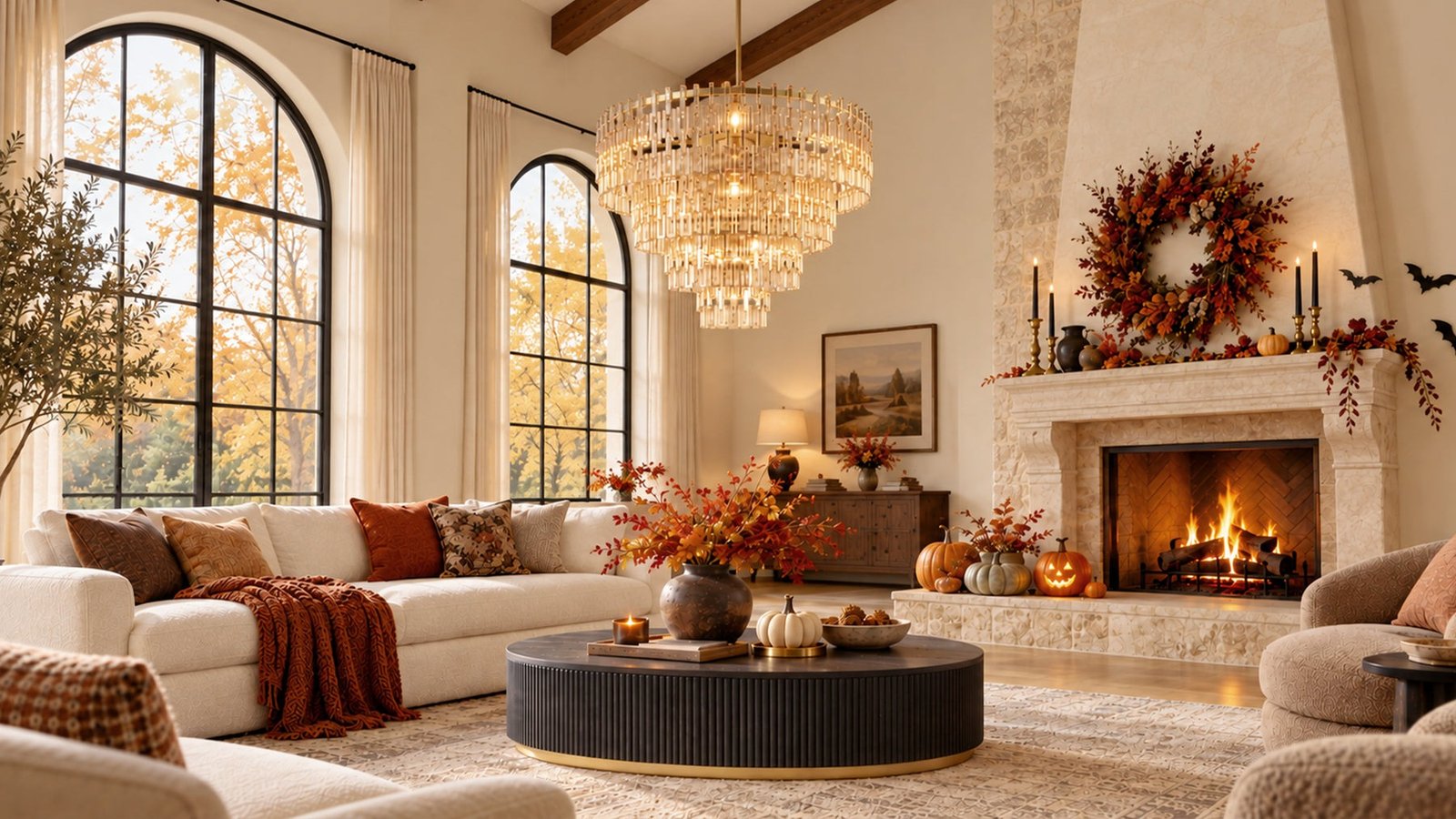
One of the easiest ways to make an interior feel more comfortable is to use warmer light at different levels throughout the room. Rather than depending on one bright ceiling fixture, a combination of chandeliers, wall sconces, table lamps, and floor lamps can create a softer and more layered atmosphere.
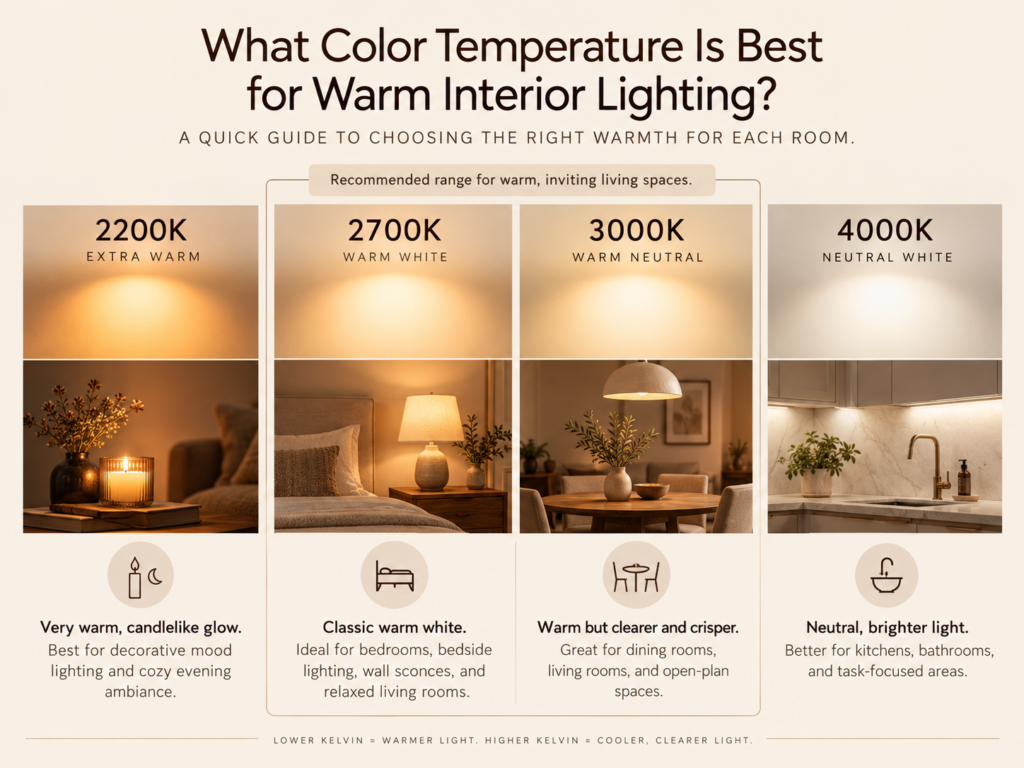
Color temperature also matters. Very warm light around 2200K can create a candlelike mood, while 2700K usually feels soft and cozy. Around 3000K, the light remains warm but appears clearer, making it useful in dining rooms, living rooms, and open-plan spaces. Cooler light, such as 4000K, is generally better suited to task-focused areas like kitchens and bathrooms.
Material plays a role too. Alabaster, textured glass, and resin can soften and diffuse light, helping fixtures feel warmer without making the entire room look overly yellow.
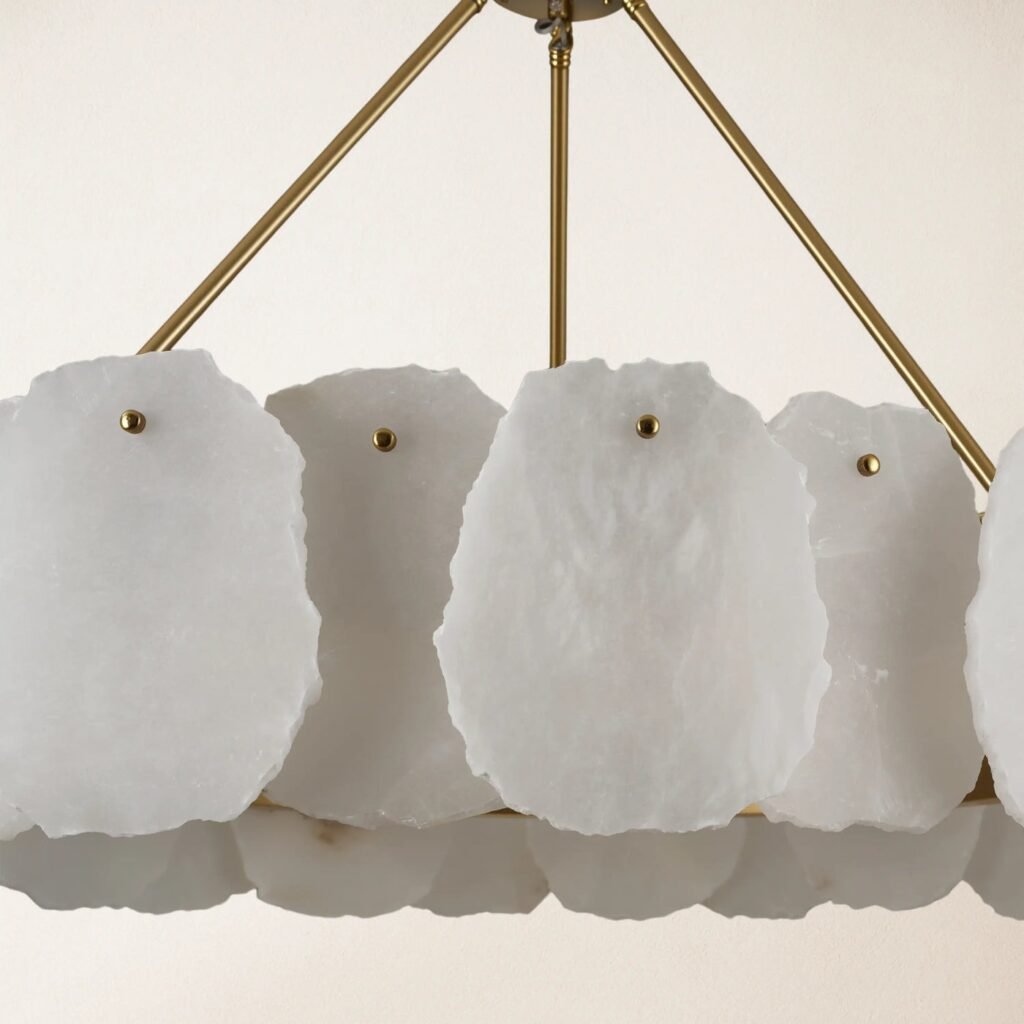
Wall lighting is especially useful during darker months because it keeps vertical surfaces from disappearing into shadow. Table lamps and other lower light sources can then create smaller pools of light around seating areas, sideboards, and beds.
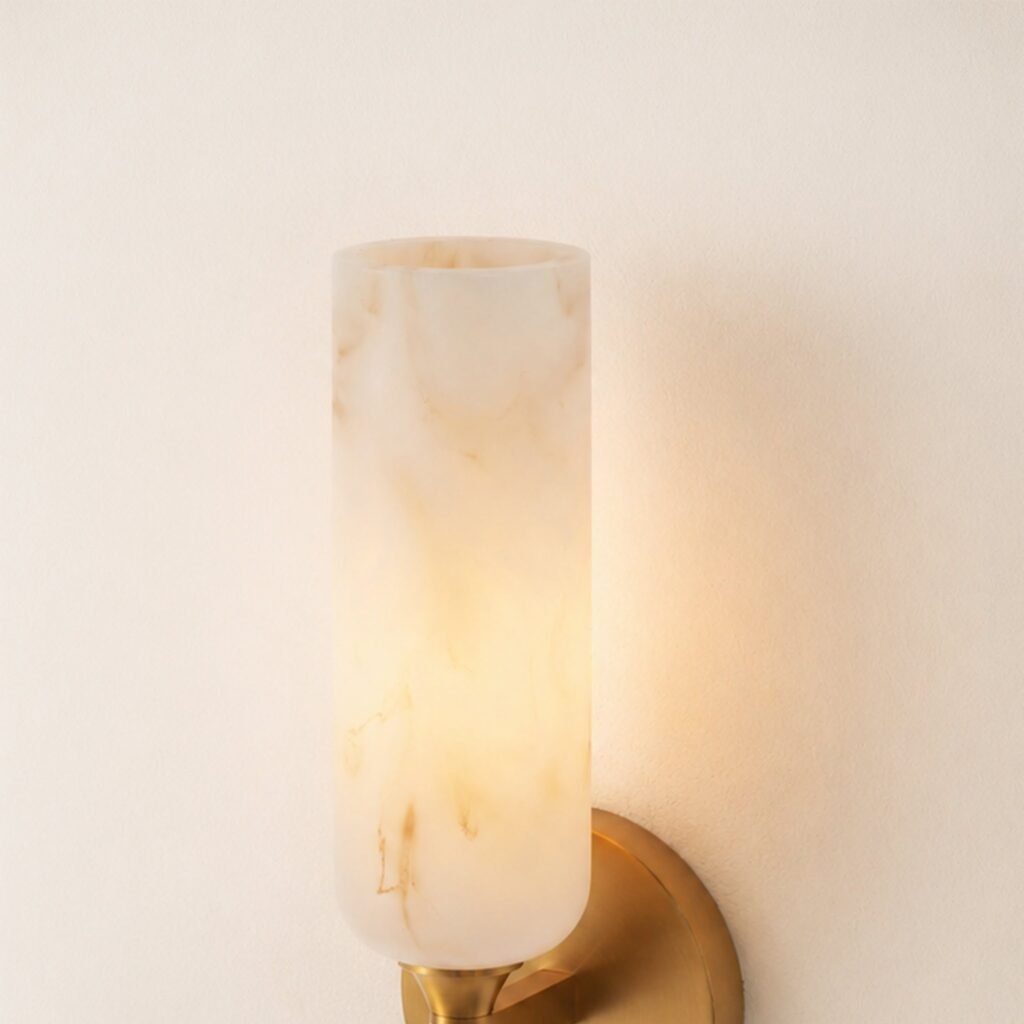
The goal is not to make the room darker or more yellow. The most inviting interiors combine warm-white light, enough overall brightness, and several light sources positioned at different heights.
For homeowners looking to create a softer and more comfortable atmosphere through the colder months, thoughtfully chosen warm interior lighting can make a noticeable difference without changing the furniture or decor.