The Early Signs Your Home May Be Shifting Below the Surface
Funny thing about houses. They almost never announce problems dramatically. No giant warning sirens. No blinking red lights. Usually it’s something small and oddly specific, like your bedroom door suddenly refusing to close unless you shoulder check it like a linebacker.
That’s how it starts for a lot of people.
One tiny crack near the ceiling. A window sticking on humid mornings. Floors that feel just slightly tilted, enough to make you wonder if your coffee table has always leaned like that or if you’re slowly losing your mind. And because life moves fast and people are busy arguing with streaming services or replacing air fryer parts or whatever, these signs tend to get ignored.
Sometimes for years.
If you’ve started noticing unusual changes around your home, looking through resources like https://acculevel.com/richmond/ can help you understand how subtle structural movement develops over time. Companies like Acculevel Foundation Repair Experts often point out that early foundation issues rarely look catastrophic in the beginning. They look inconvenient. Slightly annoying. Easy to dismiss.
Until they aren’t.
Doors That Suddenly Develop Attitude Problems
Sticky doors are weirdly common when homes begin shifting.
One stubborn door? Probably not a huge deal. Wood naturally expands during humid weather. Hinges loosen over time. Maybe somebody slammed it too hard during an argument about fantasy football rankings. Happens.
But when multiple doors throughout the house suddenly stop latching correctly or begin drifting open on their own, there may be movement happening underneath the structure itself.
I remember visiting my uncle’s house years ago and noticing the hallway closet door slowly creaking open every single time somebody walked past it. Real horror movie energy. Everybody joked the house was haunted until a contractor later discovered uneven settling near one side of the foundation.
Ghosts cleared their name that day.
Foundations shifting beneath a home can slightly warp door frames and alter alignment. Even small movement creates pressure changes throughout the structure.
And houses are surprisingly interconnected. One tiny shift down below can trigger all kinds of strange little symptoms upstairs.
Cracks Around Windows and Walls That Keep Returning
Now look, tiny hairline cracks happen in almost every home eventually. Drywall ages. Paint settles. Materials expand and contract naturally with changing temperatures.
But recurring cracks are different.
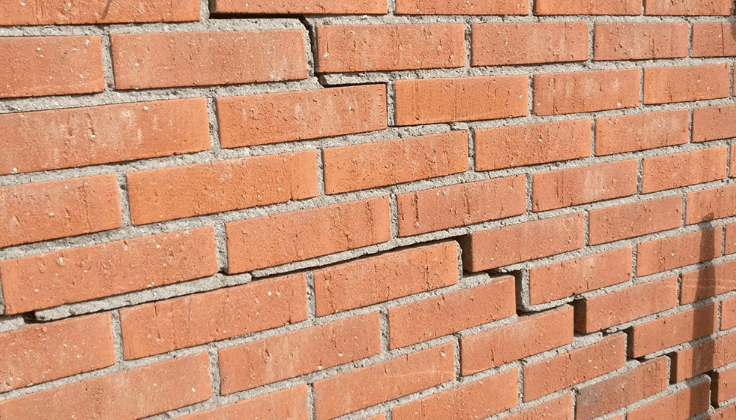
Especially diagonal cracks around windows or stair step cracks in brickwork. Those deserve attention. If you patch the same crack three different times and it keeps coming back like an unwanted sequel nobody asked for, something larger may be happening underneath the home.
Some cracks also just look… aggressive. Hard to explain better than that.
Most homeowners instinctively recognize when a crack seems unusual. Jagged edges spreading wider over time or cracks radiating outward from corners often signal uneven foundation settlement.
And somehow guests always notice them immediately. Always.
You can live with a crack for six months without thinking much about it, then somebody visits and says, “Whoa, what happened there?” Suddenly it’s all you can see.
See also: How to Grow Your Business with Dropshipping
Floors That Feel Uneven Underfoot
This one sneaks up on people.
At first you notice a chair rolling slightly across the room by itself. Maybe a marble dropped on the kitchen floor starts wandering off like it has errands to run. Then one day you realize your floor genuinely feels tilted.
Not ideal.
Older homes naturally settle over time, sure. Some have a little character to them. Character is often just polite real estate language for “nothing in this house is level.” But significant sloping, sagging or dipping floors can indicate foundation movement beneath the structure.
And honestly, people adapt fast. Humans normalize weird things constantly.
You stop noticing the slope after a while until somebody visiting your house says, “Why does this room feel kind of crooked?” Then your brain refuses to think about anything else for the next week.
Water Around the Home Creates Bigger Problems Than People Realize
Water and foundations have a deeply toxic relationship.
Poor drainage around a home slowly affects the soil supporting the structure. During heavy rain, soil expands. During dry periods, it contracts again. That constant swelling and shrinking creates movement underneath the foundation over time.
Nature is relentless like that.
Last summer my neighbor ignored standing water near his back patio for months because he figured the ground would eventually dry out naturally. Fast forward to October and suddenly his basement wall developed a long horizontal crack that looked deeply unsettling. Sort of like the opening scene in a disaster movie where everybody ignores obvious warning signs before things spiral completely out of control.
Not saying his basement became an action sequence. But it definitely wasn’t great.
Drainage problems are one of the biggest contributors to foundation movement in many homes. Gutters overflowing near the foundation, poor grading and clogged downspouts all create moisture imbalance around the structure.
Small problem outside. Bigger problem underneath.
Windows That Suddenly Refuse to Open Properly
People almost always blame the windows first.
Fair enough. Older windows can absolutely become stubborn over time. But when several windows throughout the home suddenly become difficult to open or gaps start appearing around frames, foundation movement may be affecting structural alignment.
That pressure changes how windows fit inside their openings.
You might notice:
• Windows sticking unexpectedly
• Locks no longer lining up properly
• Gaps forming near corners
• Cracks extending outward from frames
• Drafts appearing where they never existed before
And because these issues develop gradually, homeowners often dismiss them for way too long.
It’s sort of like ignoring a weird noise your car makes because you’re hoping it magically disappears on its own. Sometimes hope is not a maintenance strategy.
Basement Walls Often Tell the Real Story
Basements have a way of exposing structural problems earlier than the rest of the house.
Moisture stains. Bowing walls. Horizontal cracking. Persistent dampness that smells vaguely like forgotten cardboard boxes and regret. These signs matter more than people realize.
Water pressure builds against basement walls over time, especially after repeated storms or poor exterior drainage. That pressure can eventually force walls inward slightly or create visible cracking patterns.
According to FEMA, managing moisture and drainage around residential foundations plays an important role in preventing long term structural deterioration. Which sounds technical and boring until your basement starts resembling an underground sponge.
Then suddenly it gets very interesting.
Tiny Cosmetic Changes Can Add Up
This part catches homeowners off guard constantly.
Foundation movement rarely arrives with one giant dramatic symptom. Instead, it creates a collection of smaller weirdness throughout the home.
Cabinets separating slightly from walls.
Baseboards developing tiny gaps.
Countertops pulling away near corners.
Tiles cracking for no obvious reason.
Individually, these seem harmless. Together, they start forming a pattern.
And patterns matter.
Companies like Acculevel often encourage homeowners to pay attention when several subtle changes begin appearing at the same time because structural movement tends to reveal itself gradually through multiple symptoms rather than one huge event.
Homes whisper before they scream.
Why Small Foundation Problems Usually Get Worse
Here’s the frustrating truth nobody enjoys hearing.
Foundation issues typically continue progressing until the underlying cause gets addressed. Soil movement doesn’t just politely stop because homeowners are busy or stressed or hoping for the best.
Cracks widen. Floors shift further. Moisture problems worsen.
And repair costs generally increase alongside the damage.
That’s why early attention matters so much. Catching structural movement early often provides more repair options and prevents larger complications later. Waiting rarely makes things easier.
Sort of like ignoring a cavity because the tooth only hurts “sometimes.” We all know how that story ends.
Paying Attention Early Can Save a Lot of Trouble Later
Most homes settle a little over time. That’s completely normal. Materials age. Weather changes. Soil shifts beneath the surface season after season.
But recurring signs happening together deserve attention.
If your home has started showing unusual cracks, sticking doors, uneven floors or moisture issues around the basement, there’s a good chance the structure is trying to tell you something. Maybe quietly. Maybe inconveniently. But still.
And honestly, homes usually give people plenty of warning before bigger foundation problems develop. The challenge is recognizing those warnings before they become impossible to ignore.