How to Keep Rainwater From Pooling Near Your Foundation
Rainwater pooling near your foundation can lead to a host of problems, from basement leaks to structural damage and even mold growth. Preventing water from collecting around your home’s base is crucial for maintaining the integrity of your property and avoiding costly repairs. Many homeowners overlook the importance of proper drainage and water management, but a few strategic changes can make a significant difference. Understanding the causes of water accumulation and implementing effective solutions will help protect your foundation for years to come. This guide covers practical steps and considerations to keep rainwater away from your home’s foundation.
Key steps to prevent water pooling
Understanding Why Water Pools Near Foundations
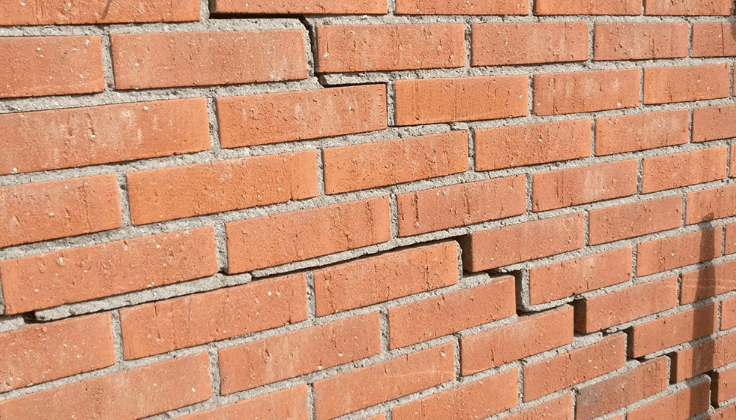
Water pooling near a home’s foundation is often the result of poor drainage, improper grading, or malfunctioning gutters and downspouts. When the ground around your house does not slope away from the structure, rainwater naturally collects at the base, seeping into the soil and potentially making its way into your basement or crawl space. Over time, this constant exposure to moisture can weaken the foundation, cause cracks, and create an environment conducive to mold and mildew. In some cases, landscaping features or hard surfaces like driveways and patios can inadvertently direct water toward the foundation instead of away from it. Recognizing these contributing factors is the first step in addressing the issue. Homeowners should regularly inspect their property after heavy rainfall to identify areas where water tends to accumulate. Early detection allows for timely intervention, reducing the risk of long-term damage and the need for extensive repairs. By understanding the underlying causes, you can take targeted action to improve drainage and protect your home.
See also: OMTech Maker vs. OMTech Pronto: Which CO₂ Laser Engraver Fits Your Australian Workshop?
The Importance of Proper Grading
Proper grading is essential for directing rainwater away from your foundation. The soil around your home should slope downward, ideally dropping at least six inches within the first ten feet from the foundation wall. This slope encourages water to flow away from the house rather than pooling at the base. Over time, soil can settle or erode, reducing the effectiveness of the original grading and creating low spots where water collects. Regularly checking the slope and adding soil as needed can help maintain the correct grade. In some cases, you may need to remove landscaping features or adjust hardscaping to ensure water is not being funneled toward your foundation. If you notice persistent pooling despite your efforts, it may be necessary to consult with a professional to regrade the area. Proper grading not only protects your foundation but also helps prevent other issues such as soil erosion and landscape damage. Maintaining the right slope is a proactive measure that can save you from more significant problems down the line.
Gutters and Downspouts: Your First Line of Defense
Gutters and downspouts play a critical role in managing rainwater and preventing it from pooling near your foundation. When functioning correctly, gutters collect rainwater from the roof and channel it through downspouts, directing it safely away from the house. Clogged or damaged gutters can cause water to overflow, spilling directly onto the ground below and increasing the risk of foundation problems. Regular cleaning and maintenance are necessary to keep gutters clear of leaves, twigs, and debris. Downspouts should extend several feet away from the foundation to ensure water is deposited at a safe distance. In regions with frequent rainfall, homeowners may consider installing gutter extensions or splash blocks to further direct water away from the home. For those living in the area, a gutter install in topeka can be an effective solution to ensure your system is properly set up for local weather conditions. Investing in quality gutters and maintaining them regularly is one of the most effective ways to protect your foundation from water damage.
French Drains and Other Drainage Solutions
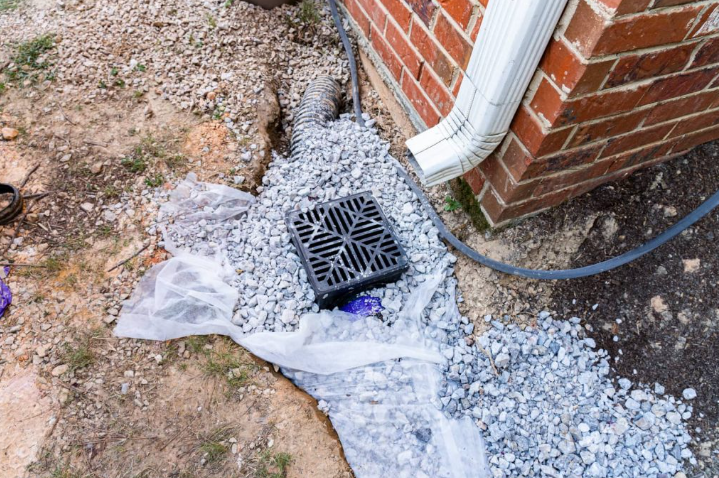
When grading and gutters are not enough to solve water pooling issues, additional drainage solutions may be necessary. French drains are a popular option for redirecting water away from the foundation. These systems consist of a perforated pipe buried in a gravel-filled trench, which collects and channels water away from problem areas. Installing a French drain requires careful planning to ensure it is placed at the correct depth and angle for optimal performance. Other drainage solutions include dry wells, which collect excess water and allow it to slowly percolate into the ground, and surface drains that capture water before it reaches the foundation. In some cases, a combination of these methods may be required to address severe drainage problems. It is important to assess your property’s unique needs and choose the solution that will be most effective for your situation. Proper installation and maintenance of these systems are crucial for long-term success in keeping rainwater away from your foundation.
Landscaping Tips for Better Drainage
Landscaping can have a significant impact on how water flows around your home. Planting beds should be designed with a slight slope away from the foundation, and mulch should be kept a few inches below the siding to prevent moisture from wicking up the walls. Avoid placing large shrubs or trees too close to the house, as their roots can interfere with drainage and even damage the foundation over time. Permeable materials such as gravel or pavers can be used for walkways and patios to allow water to soak into the ground rather than running off toward the foundation. Rain gardens, which are shallow depressions planted with water-tolerant plants, can help absorb excess water and reduce runoff. Regularly maintaining your landscaping by trimming plants, removing debris, and checking for low spots will help ensure that water is directed away from your home. Thoughtful landscaping not only enhances the appearance of your property but also plays a vital role in protecting your foundation from water damage.
Quick Maintenance Tips
Regularly inspect your gutters and downspouts for clogs or damage, especially after storms. Check the grading around your home and add soil if you notice low spots. Keep landscaping trimmed and ensure mulch is not piled against the siding. These simple maintenance tasks can make a big difference in preventing rainwater from pooling near your foundation.
When to Seek Professional Help
There are situations where water pooling persists despite your best efforts. If you notice signs of foundation damage such as cracks in the walls, uneven floors, or persistent dampness in your basement, it may be time to seek professional assistance. A qualified contractor can assess your property and recommend solutions tailored to your specific needs. They may suggest regrading, installing advanced drainage systems, or repairing existing damage to ensure your foundation remains stable and dry. Ignoring these warning signs can lead to more severe problems and higher repair costs in the future. Professional help is especially important if you live in an area with heavy rainfall or challenging soil conditions, as these factors can complicate drainage issues. Taking action early can prevent further damage and provide peace of mind knowing your home is protected from the risks associated with water pooling near the foundation.
Conclusion
Protecting your foundation from rainwater pooling is essential for maintaining the structural integrity and value of your home. By understanding the causes of water accumulation and implementing effective solutions such as proper grading, well-maintained gutters, and strategic landscaping, you can significantly reduce the risk of foundation damage. Regular inspections and timely maintenance are key to catching potential problems before they escalate. In cases where simple fixes are not enough, seeking professional assistance ensures that your home remains safe and dry. Taking these proactive steps will help safeguard your property against the long-term effects of water damage, providing you with confidence and security through every season.