Why New York Pilates Classes Are Transforming Urban Fitness Culture
Introduction
New York has always been a city that sets trends in fashion, wellness, and fitness. From boutique gyms in Manhattan to wellness studios in Brooklyn, fitness enthusiasts constantly search for workouts that improve strength, flexibility, and overall well-being. Among the many fitness options available, Pilates has become one of the most popular choices for busy professionals, athletes, and beginners alike. The growing demand for New York Pilates classes reflects a larger shift toward mindful exercise routines that focus on both physical and mental health.
Pilates offers a unique combination of low-impact movement, core strengthening, posture correction, and flexibility training. Unlike high-intensity workouts that may place stress on the body, Pilates creates balance through controlled movements and proper breathing techniques. As more New Yorkers prioritize sustainable fitness routines, Pilates studios continue to expand across the city, attracting people from all fitness levels.
The Growing Popularity of Pilates in New York
The fitness culture in New York is fast-paced and competitive. Many people look for workouts that deliver visible results while fitting into demanding schedules. Pilates meets these expectations by providing efficient full-body workouts that improve muscle tone, flexibility, and posture without requiring hours at the gym.
Over the last decade, Pilates studios have appeared throughout neighborhoods like SoHo, Tribeca, Williamsburg, and the Upper East Side. These studios offer both mat and reformer Pilates sessions, giving clients flexibility based on their fitness goals and experience levels. Many instructors also personalize classes to help clients recover from injuries, improve athletic performance, or strengthen specific muscle groups.
Another reason for the growing popularity of Pilates is its accessibility. Beginners can start slowly and gradually increase intensity as they gain strength and confidence. At the same time, experienced athletes use advanced Pilates techniques to improve mobility and endurance. This versatility makes Pilates appealing to people of all ages and fitness backgrounds.
See also: The Role of Technology in Business Growth and Digital Transformation
Why Busy Professionals Prefer Pilates Classes
New York professionals often work long hours and spend much of the day sitting at desks or commuting. This lifestyle can lead to poor posture, back pain, tight hips, and increased stress levels. Pilates directly addresses these common issues by strengthening the core and improving body alignment.
Many professionals choose Pilates because the workouts are effective yet gentle on the joints. Unlike intense cardio sessions that may leave people exhausted, Pilates helps participants feel energized and refreshed after class. Controlled movements and breathing exercises also reduce stress, making Pilates a practical option for mental wellness.
In addition, Pilates classes fit well into busy schedules. Most studios offer flexible class times throughout the day, including early morning, lunchtime, and evening sessions. Some studios even provide virtual classes for clients who prefer to work out at home. This convenience allows professionals to maintain a consistent fitness routine despite demanding careers.
The Benefits of Reformer Pilates
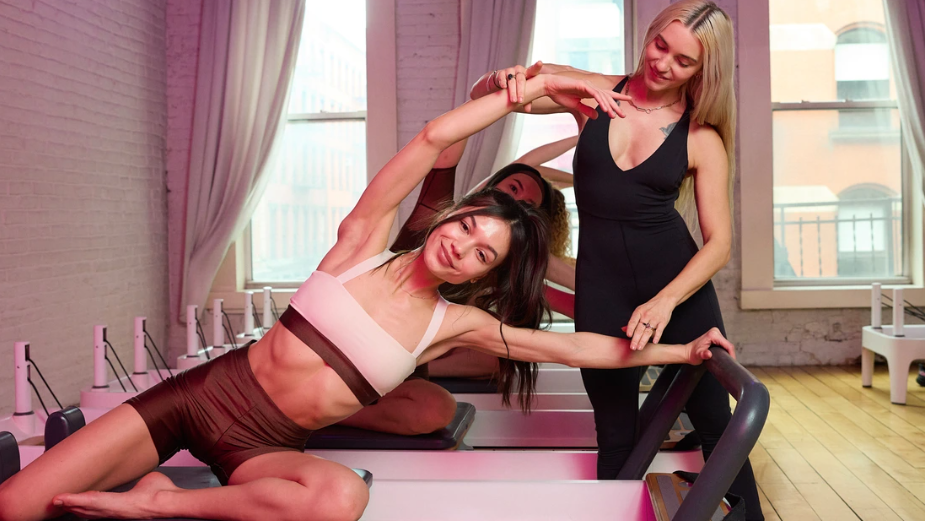
Reformer Pilates has become especially popular in New York due to its ability to provide resistance-based training without placing excessive strain on the body. The reformer machine uses springs, pulleys, and a sliding carriage to create controlled resistance during exercises.
This equipment helps users engage smaller stabilizing muscles that traditional workouts often overlook. As a result, reformer Pilates improves balance, coordination, posture, and muscular endurance. Many people notice increased core strength and flexibility within a few weeks of regular practice.
Athletes and fitness enthusiasts also appreciate reformer Pilates because it enhances performance in other activities such as running, cycling, dance, and weightlifting. Strong core muscles improve movement efficiency and reduce the risk of injury. For this reason, many trainers recommend Pilates as part of a balanced fitness program.
How Pilates Supports Mental Wellness
Mental wellness has become a major priority for many New Yorkers. The pressures of work, social commitments, and city life can create high stress levels and mental fatigue. Pilates provides more than physical benefits because it encourages mindfulness and body awareness.
Each movement in Pilates requires focus, precision, and controlled breathing. This combination helps participants stay present during workouts and disconnect from daily stressors. Many people describe Pilates as a form of moving meditation because it creates a calming and centered feeling.
Regular Pilates practice may also improve sleep quality, concentration, and emotional balance. Exercise naturally releases endorphins, which help reduce anxiety and improve mood. The mindful structure of Pilates further enhances these benefits by promoting relaxation and mental clarity.
Pilates for Injury Prevention and Recovery
One of the biggest advantages of Pilates is its reputation for supporting injury prevention and rehabilitation. Physical therapists and sports medicine professionals often recommend Pilates exercises to strengthen weak muscles and improve movement patterns.
In New York, where many people live active lifestyles, injuries from running, cycling, and strength training are common. Pilates helps correct muscular imbalances that may contribute to pain or limited mobility. The low-impact nature of the exercises allows people to rebuild strength safely while minimizing stress on joints.
Pilates also improves posture and spinal alignment, which can relieve chronic neck and back pain caused by prolonged sitting. Many clients report feeling taller, stronger, and more balanced after consistent training. Because instructors can modify exercises for different needs, Pilates remains accessible for people recovering from injuries or managing physical limitations.
Boutique Pilates Studios Are Redefining Fitness Experiences
Boutique fitness culture continues to thrive in New York, and Pilates studios play a major role in this trend. Modern Pilates studios focus not only on workouts but also on creating welcoming and stylish environments that motivate clients.
Many studios feature small class sizes, personalized instruction, luxury interiors, and community-focused atmospheres. Clients often build strong relationships with instructors and fellow participants, which increases motivation and accountability.
Technology has also changed the Pilates experience. Some studios now use performance tracking systems, mobile booking apps, and virtual coaching platforms to improve convenience for clients. These innovations make Pilates more accessible while maintaining the personalized approach that boutique fitness enthusiasts value.
Choosing the Right Pilates Studio in New York
With so many Pilates studios available, finding the right fit can feel overwhelming. However, several factors can help individuals make informed decisions when selecting a studio.
First, it is important to consider instructor qualifications. Certified instructors with strong teaching experience can provide safer and more effective guidance. Beginners especially benefit from instructors who emphasize proper form and gradual progression.
Class size also matters. Smaller classes often provide more individual attention, which can improve technique and reduce the risk of injury. Additionally, potential clients should consider studio atmosphere, location, schedule flexibility, and pricing.
Some studios specialize in athletic training, while others focus more on rehabilitation, prenatal Pilates, or beginner-friendly instruction. Trying introductory classes at different locations can help individuals discover which environment aligns best with their goals and preferences.
Pilates and the Rise of Holistic Wellness
The modern fitness industry increasingly focuses on holistic wellness rather than appearance alone. People now prioritize movement practices that support long-term health, mobility, stress reduction, and quality of life. Pilates fits perfectly within this wellness philosophy.
Unlike workout trends that emphasize quick results or extreme intensity, Pilates encourages sustainable progress and mindful movement. Participants learn how to move more efficiently in daily life while building strength from the inside out.
Many New Yorkers now combine Pilates with other wellness practices such as yoga, meditation, healthy nutrition, and recovery therapies. This balanced approach helps individuals maintain physical and mental wellness despite the demands of urban living.
The rise of wellness-focused lifestyles has also increased demand for premium fitness experiences. Pilates studios continue to evolve by offering specialized programs, wellness workshops, and personalized coaching services that support overall health.
Why Beginners Should Try Pilates
Some beginners feel intimidated before taking their first Pilates class, especially if they assume the exercises require advanced flexibility or athletic ability. In reality, Pilates welcomes individuals at every fitness level.
Most beginner classes focus on foundational movements, breathing techniques, and core activation. Instructors guide participants step by step, helping them develop strength and confidence gradually. Because exercises can be modified easily, clients can progress at their own pace.
Beginners often notice improvements in posture, balance, flexibility, and body awareness after only a few sessions. Many people also appreciate the supportive and non-competitive atmosphere found in Pilates studios.
Another advantage is that Pilates complements other forms of exercise. Whether someone enjoys running, weight training, dance, or cycling, Pilates enhances mobility and recovery while reducing muscle tension and improving movement quality.
The Future of Pilates in New York
The future of Pilates in New York looks incredibly strong as wellness trends continue to evolve. More people now recognize the importance of low-impact fitness methods that support longevity and overall well-being.
Studios are expanding their offerings to include hybrid classes, virtual memberships, private coaching, and specialized training programs. Corporate wellness initiatives are also introducing Pilates into workplace wellness programs to help employees reduce stress and improve physical health.
As fitness technology advances, Pilates studios may continue integrating digital tools and personalized performance tracking into the client experience. However, the core principles of Pilates will remain the same: mindful movement, controlled strength, flexibility, and body awareness.
The growing popularity of Pilates reflects a broader cultural shift toward sustainable wellness practices that support both physical and mental health. In a city known for constant movement and ambition, Pilates offers a powerful reminder that strength and balance go hand in hand.
Conclusion
New York Pilates classes have become far more than a passing fitness trend. They represent a modern approach to wellness that combines strength, flexibility, mindfulness, and injury prevention into one highly effective workout method. From busy professionals and athletes to beginners and rehabilitation clients, people across the city continue to embrace Pilates as part of a healthier lifestyle.
The flexibility and accessibility of Pilates make it ideal for urban living. Whether someone wants to improve posture, reduce stress, recover from injury, or simply feel stronger and more energized, Pilates provides long-term benefits that extend beyond the studio.
As wellness culture continues to grow, Pilates will likely remain one of the most influential fitness practices in New York. Its focus on sustainable movement, mental clarity, and overall health aligns perfectly with the evolving priorities of modern city life.