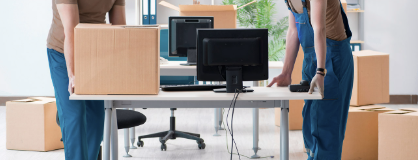
What Is the Safest Way to Move Office Furniture Without Damage
Relocating an office requires careful planning, coordination, and attention to detail. Many organizations underestimate the complexity involved in moving desks, cubicles, and modular systems, which can lead to costly damage and unnecessary downtime. A structured approach to office furniture relocation combined with quality installation practices ensures that every component is protected and properly reassembled. Understanding the safest methods for handling office furniture helps businesses maintain efficiency and avoid disruptions during a move.
Planning Ahead for a Successful Relocation
Preparation is the most important step in ensuring a safe and efficient relocation. Without a clear plan, even a small move can quickly become disorganized.
Assessing Inventory and Layout
Before moving any furniture, it is essential to take a detailed inventory of all items. This includes desks, chairs, panels, storage units, and any integrated components. Evaluating the new layout in advance allows teams to determine where each piece will be placed, which reduces confusion during reinstallation.
Creating a Timeline and Workflow
A structured timeline helps coordinate every phase of the move. Scheduling tasks such as disassembly, transportation, and reassembly ensures that each step is completed in the correct order. This level of organization minimizes downtime and keeps the project on track.
Proper Disassembly Techniques
Office furniture systems are often interconnected, making disassembly a critical part of the relocation process. Improper handling at this stage can cause damage or missing components.
Labeling and Organizing Components
Each part should be labeled clearly during disassembly. Keeping hardware, panels, and connectors organized ensures efficient reassembly. This approach also reduces the risk of losing important pieces.
Protecting Sensitive Parts
Certain components, such as glass surfaces, electronic elements, and adjustable mechanisms, require extra care. Wrapping and securing these items prevents scratches, dents, and other damage during transport.
Safe Transportation Practices
Moving furniture from one location to another involves more than simply loading items onto a truck. Proper handling techniques are essential to maintain the condition of each piece.
Using the Right Equipment
Specialized equipment, such as dollies, straps, and protective padding, helps prevent strain on both furniture and personnel. These tools allow heavy or bulky items to be moved safely and efficiently.
Securing Items During Transit
Furniture should be secured properly within the vehicle to prevent shifting during transport. Movement inside the truck can cause damage, especially to larger or more delicate components. Careful placement and stabilization are key to preserving the integrity of each item.
Reassembly and Quality Installation
Once furniture arrives at the new location, proper reassembly is essential to ensure functionality and safety. This stage requires precision and attention to detail.
Aligning Systems for Stability
Modular furniture systems must be aligned correctly to maintain stability and appearance. Misaligned components can lead to uneven surfaces and reduced durability. Quality installation ensures that each piece fits together as intended.
Testing and Final Adjustments
After reassembly, it is important to test each workstation for stability and usability. Making final adjustments ensures that employees can return to work without issues. This step completes the relocation process and confirms that everything is functioning properly.
See also: How to Grow Your Business with Dropshipping
Benefits of Professional Office Furniture Relocation
While some organizations attempt to manage moves internally, professional services provide significant advantages. Experienced teams understand the complexities of office furniture relocation and use proven methods to deliver reliable results.
Minimizing Risk and Downtime
Professional relocation services reduce the likelihood of damage and ensure that the move is completed efficiently. This allows businesses to resume operations quickly and with confidence.
Ensuring Consistent Quality Installation
Expert installers bring the knowledge and tools needed to handle even the most complex systems. Their experience ensures that every workstation is assembled correctly and meets performance expectations.
Frequently Asked Questions
What is the safest way to handle office furniture relocation?
The safest approach involves careful planning, proper disassembly, secure transportation, and quality installation. Each step must be executed with attention to detail to prevent damage.
How can I protect office furniture during a move?
Using protective materials, labeling components, and securing items during transit are essential steps. These measures help maintain the furniture’s condition throughout the relocation process.
Is professional office furniture relocation worth the cost?
Professional services often provide better value by reducing risks, saving time, and ensuring accurate reassembly. This leads to fewer issues and a smoother transition.
How long does office furniture relocation typically take?
The timeline depends on the size and complexity of the move. Smaller offices may be completed in a day, while larger projects can require several days of coordinated work.
Conclusion
A successful office move requires more than simply transporting furniture from one location to another. Careful planning, proper handling, and precise reassembly are essential to achieving a safe and efficient outcome. By prioritizing office furniture relocation and quality installation, businesses can protect their investment and maintain productivity throughout the transition. For dependable office furniture relocation and quality installation in Austin, TX, visit Quality Installers to ensure your move is handled with professionalism and care.