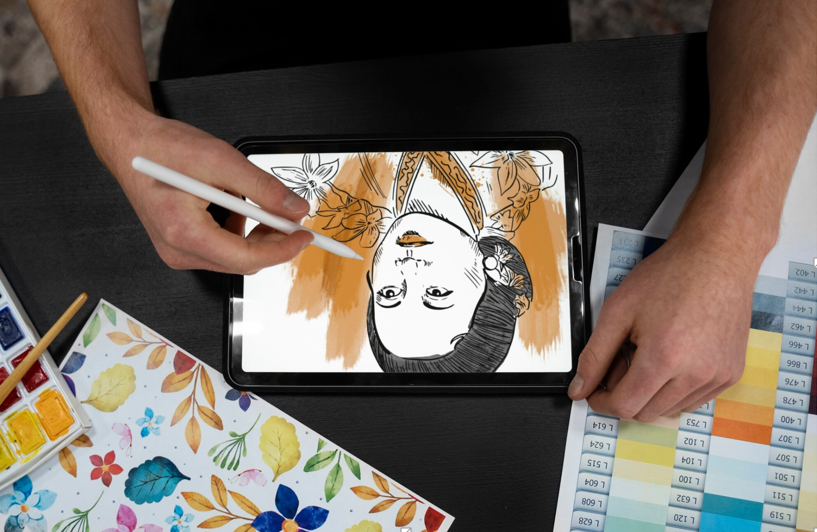
The Digital Canvas: How Modern Interface Design Mimics High-End Visual Art
Digital screens once focused only on function. Designers placed buttons and menus so users could complete tasks quickly. Visual design was simple.
Today, the digital screen works like a canvas. Designers mix layout, color, motion, and typography to create visual experiences. This change is easy to see on entertainment platforms. When users explore spaces like SpinBet casino, layout and colors guide the eye across the screen.
The idea comes from traditional art. Painters guide viewers using balance, contrast, and composition. Digital designers now use those same ideas. Modern interfaces are no longer just tools. They are carefully arranged visual spaces.
Artistic Foundations in Interface Design
Many interface rules come from classic art principles. Artists have used these ideas for centuries to guide attention and create balance.
Designers apply these same principles when building digital interfaces.
Key Elements Used in UI/UX Design
- Composition & hierarchy: Important elements are placed where users notice them first.
- Contrast: Different colors or sizes help key buttons stand out.
- White space: Empty space makes text easier to read and keeps the screen clean.
- Grid systems: A grid keeps text, images, and buttons neatly lined up.
Let’s see how art ideas appear in digital interfaces:
| Artistic Principle | Application in Interface Design |
| Contrast | Colors highlight key buttons |
| Proportion | Larger elements show priority |
| Movement | Small animations guide the user |
| Balance | Grid layouts align elements clearly |
| Emphasis | Important features are placed in visible areas |
These principles help keep digital pages clear and structured.
Color, Mood, and Emotional Design
Color shapes how users feel when using a platform.
Designers usually follow the 60-30-10 color rule:
- 60% main color
- 30% supporting color
- 10% accent color
This ratio keeps designs balanced.
Colors also send signals:
- Blue suggests trust and stability
- Red signals urgency or action
- Earth tones create a calm feel
Many platforms now use dark-mode interfaces. Dark backgrounds blended with bright accents create a strong contrast.
Designers also use bright accents like neon blue or coral. These colors improve visibility and make long screen use easier on the eyes.
Many entertainment platforms use these colors to guide attention and keep the screen easy to look at. For example, SpinBet online casino uses strong color contrast with clear visuals to guide users through the interface.
Color in digital design works much like paint in traditional art.
Motion & Depth Turn Interfaces Into Interactive Art
Motion helps digital interfaces feel more dynamic.
Small animations called micro-interactions appear when users click or scroll. A button may hop, or a card may glide into view. These signals confirm that an action happened.
Designers also add depth using shadows and layers. Objects appear stacked or floating above the page.
This approach copies real-world behavior. Menus slide forward, and cards lift slightly when selected.
Platforms with strong visual design, like SpinBet Casino, often combine layered cards, motion, and structured layouts to keep navigation smooth.
Several interface trends show how art and technology mix.
Popular interface design trends include:
- Tactile 3D elements: soft or clay-like buttons
- Kinetic typography: text moves during scrolling
- Scrollytelling: visuals change while scrolling
- Mixed-media layouts: photos and illustrations together
- Retro design: pixel art and vintage graphics
These ideas help digital spaces feel more like interactive art.
Purpose of Digital Art Technologies
Modern tools allow designers to test layouts and visuals more quickly. Layouts, colors, and shapes can be adjusted quickly until the design feels right.
Some projects also use generative graphics. Systems create patterns automatically using coded rules. Designers direct the results and choose the best visuals.
New technologies are also changing how people interact with digital content.
- Augmented Reality places digital objects on top of the real world.
- Virtual Reality allows users to step inside a digital scene.
These tools help designers build interactive spaces rather than simple pages.
These technologies expand creative possibilities in digital design in complex digital platforms like SpinBet online casino.
Responsible Digital Entertainment and User Awareness
Some digital platforms include casino-style games. These activities involve financial risk. Results depend on chance and cannot be predicted.
Users should always approach them carefully.
Practical practices include:
- Establishing a spending limit
- Following time spent on the platform
- Treating games as entertainment, not income
- Accepting regular breaks
Wins and losses are both possible. Responsible play helps users stay in control.
Summary
Interface design now combines art with technology.
Instead, designers combine color, layout, motion, and depth to shape the user experience.
Each element works like part of a visual composition. Because of this change, many digital platforms now feel like designed visual spaces.
As technology grows, interfaces will become more interactive. The gap between digital design and visual art is getting smaller.